


Chapter 7
Liquidation
May pause covered lawsuits and discharge qualifying unsecured debts, including many credit card and medical debts. Some debts and property liens can survive bankruptcy.
Learn About Chapter 7
Bankruptcy & Collection Lawsuits
A collection lawsuit can create financial pressure. Bankruptcy may pause the case and collection efforts while you explore your options for debt relief.
A collection lawsuit is a legal action to collect an unpaid debt, such as a credit card balance, loan, or medical bill. If the creditor wins a judgment, it may be able to garnish wages, levy a bank account, or place a lien on property, subject to state law and exemptions.
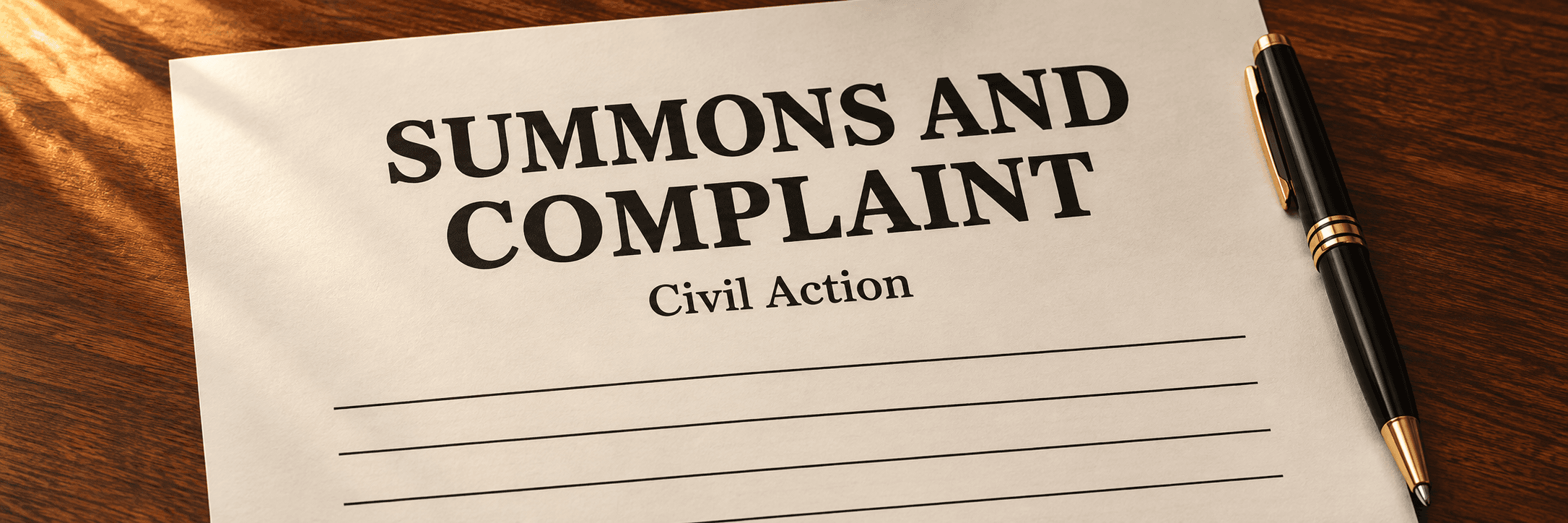
Procedures and deadlines vary by state, but many collection lawsuits follow these steps.
A creditor or debt collector files a complaint in court.
You receive court papers with a deadline to respond.
Losing the case or not responding may lead to a judgment against you.
The creditor may pursue collection allowed by law and the judgment.
Filing a bankruptcy petition generally pauses most collection lawsuits through the automatic stay. Bankruptcy may discharge or reorganize the debt, depending on your eligibility and circumstances.
Liquidation
May pause covered lawsuits and discharge qualifying unsecured debts, including many credit card and medical debts. Some debts and property liens can survive bankruptcy.
Learn About Chapter 7
Repayment Plan
May pause covered lawsuits while you address debts through a court-approved repayment plan, usually over three to five years.
Learn About Chapter 13
A judgment may lead to garnishment, bank levies, or liens. Depending on your situation, bankruptcy may help you:
The automatic stay generally begins when a bankruptcy petition is filed and pauses most lawsuits to collect debts that arose before filing. Exceptions apply, and recent bankruptcy dismissals may limit or prevent the stay. An attorney can help notify the creditor and court and confirm which proceedings are paused. A website inquiry alone does not stop a lawsuit.
The court may enter a default judgment without hearing your defenses. A judgment can allow additional collection steps, such as wage garnishment, bank account levies, or property liens, depending on state law and exemptions. Read the court papers and respond by the stated deadline, personally or through an attorney. Asking about bankruptcy does not extend that deadline.
Both chapters may pause covered collection lawsuits. Chapter 7 can discharge qualifying debts for eligible people, while Chapter 13 addresses debts through a repayment plan. The better fit depends on your income, property, debts, filing history, and goals. Existing judgment liens may need separate treatment and do not automatically disappear when a debt is discharged.
Bankruptcy does not automatically erase accurate credit history. The underlying account may remain on your credit report subject to reporting limits, and bankruptcy itself can be reported for up to ten years. Check that any reported information is accurate and reflects the outcome of your case. You can dispute errors with the credit reporting company and the company that supplied the information.
Do not ignore a summons or response deadline. Bring your court papers to an attorney promptly. Submitting a request to StartOverNow.us does not file a bankruptcy case, answer a lawsuit, or extend a court deadline.

Request a connection with a participating bankruptcy law firm to discuss your options and find a clear next step.
Our team will review your request. A law firm connection is not guaranteed.